
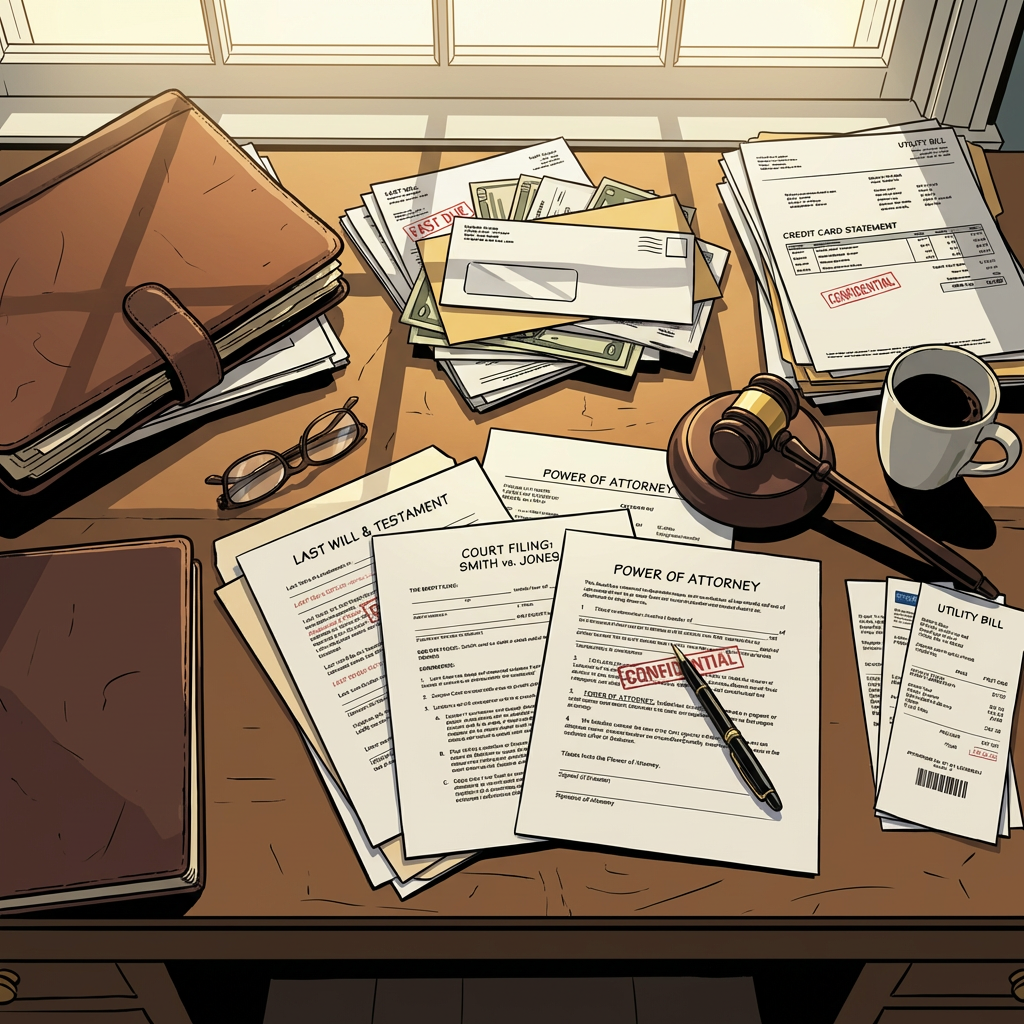
One of the first questions people ask when considering divorce is simple:
How much is this going to cost me?
It’s a fair question and an important one. Divorce affects not only your emotions and family structure, but your long-term financial stability. Understanding the real costs upfront helps you make informed decisions and avoid expensive mistakes.
The short answer?
Divorce in the United States typically costs anywhere from $1,500 to $30,000+, depending on how complex and contested the case is.
The long answer: depends on several key factors.
Let’s break it down clearly.
The Average Cost of Divorce in the United States
According to data published by organizations like the American Bar Association and industry surveys, the national average divorce cost falls between:
- $7,000–$15,000 per person for contested divorces
- $1,500–$5,000 total for uncontested divorces
- $300–$1,500 if filing without an attorney (DIY cases)
You can review general statistics from sources like:
- American Bar Association: https://www.americanbar.org
- Nolo (legal education site): https://www.nolo.com
However, averages don’t tell the full story. Your actual cost depends on what type of divorce you pursue.
Uncontested Divorce: The Lower-Cost Option
An uncontested divorce occurs when both spouses agree on:
- Division of property
- Child custody and parenting plans
- Child support
- Spousal support
When there is agreement, costs drop significantly.
Typical expenses include:
- Court filing fees: $200–$500 (varies by state)
- Attorney review: $1,000–$3,000
- Mediation sessions (if needed): $100–$300 per hour
In some states, couples may file paperwork themselves through online court portals.
If you’re researching your state specifically, you can check:
- Your state court website
- https://www.uscourts.gov for federal structure guidance (though divorce is state-level)
Uncontested divorce is generally the most affordable and least emotionally damaging path if both parties cooperate. Unfortunately divorce usually comes with strong emotions and often fresh wounds that make the majority contested.
Contested Divorce: Where Costs Increase
A contested divorce means disagreement on one or more major issues.
This is where costs climb quickly.
Typical attorney fees range from:
- $250–$500 per hour (varies by location and experience)
Total costs can reach:
- $15,000–$30,000 per person
- Much higher in high-conflict or high-asset cases
Why so expensive?
Because contested divorce often includes:
- Multiple court hearings
- Discovery process (financial document exchange)
- Depositions
- Expert witnesses
- Child custody evaluations
Every hour your attorney works adds to your bill.
Conflict is expensive.
Mediation vs. Litigation: A Cost Comparison
Mediation is often a middle-ground option.
Instead of two attorneys battling in court, a neutral mediator helps both spouses negotiate agreements.
Typical mediation costs:
- $3,000–$8,000 total (shared between spouses)
Litigation costs:
- Often $20,000+ total
Organizations like the Association for Conflict Resolution (https://acrnet.org) offer insight into mediation standards.
Mediation doesn’t work in every situation, particularly in cases involving abuse or severe imbalance of power, but it can significantly reduce expenses when appropriate.
Hidden Divorce Costs Most People Don’t Expect
Attorney fees are just part of the picture.
Here are other expenses to consider:
1. Filing Fees
Each state sets its own filing fees, often between $200–$500.
2. Service of Process
Serving divorce papers may cost $50–$150.
3. Parenting Classes
Some states require court-approved parenting courses.
4. Forensic Accountants
In high-asset cases, forensic accountants may charge thousands.
5. Real Estate Appraisals
If dividing property, appraisal fees may apply.
6. Custody Evaluations
Court-ordered evaluations can cost $2,000–$10,000.
7. Post-Divorce Financial Adjustments
- New housing costs
- Separate insurance plans
- Updated wills and estate planning
Divorce isn’t just a legal event. It’s a life event that requires financial restructuring.
How Children Impact Divorce Costs
If children are involved, costs typically increase.
Why?
Because child custody and child support are often contested areas.
Court evaluations, parenting plans, and legal negotiations add hours and hours mean billing.
You can learn more about custody basics from reputable resources like:
https://www.childwelfare.gov
Even small disagreements can multiply legal expenses.
Can You Get a Divorce Without a Lawyer?
Yes but carefully.
DIY divorce may cost:
- $300–$1,500 total
However, it works best when:
- No children are involved
- Few assets exist
- Both parties fully agree
If significant assets, debt, or custody are involved, professional guidance is usually worth the investment.
A poorly structured divorce agreement can cost far more later in enforcement or modification.
How to Reduce Divorce Costs
If you want to minimize cost:
1. Get Organized
Gather financial documents before speaking to an attorney:
- Bank statements
- Tax returns
- Mortgage information
- Retirement accounts
Preparation reduces billable hours.
2. Communicate Strategically
Every hostile email can become billable legal work.
Keep communication calm and documented.
3. Consider Mediation Early
Don’t escalate immediately if mediation is viable.
4. Choose the Right Attorney
Interview multiple lawyers.
Ask about:
- Billing structure
- Retainer fees
- Average case cost
The right fit matters.
Emotional Decisions Can Become Expensive Decisions
Many divorces become costly not because they must, but because charged emotions escalate conflict.
It’s understandable. Divorce is painful.
But financially, conflict multiplies expenses.
This is why planning before filing is so important.
So, How Much Will Your Divorce Cost?
It depends on:
- Level of cooperation
- Asset complexity
- Child custody disputes
- Attorney hourly rates
- Willingness to mediate
For some, divorce costs under $3,000.
For others, it exceeds $50,000. Understanding the process ahead of time helps you choose wisely.
When to Seek Professional Guidance
If you are:
- Unsure about your financial exposure
- Concerned about custody arrangements
- Facing a high-conflict spouse
- Managing complex assets
It’s wise to speak with a qualified family law attorney or mediator in your state.
Final Thought
Divorce is not only a legal decision, it’s a financial turning point.
The more prepared and informed you are, the more control you retain.
Clarity through planning reduces regret, and cost.
If you’re in the early stages and trying to understand your options, start with education. Then speak to professionals before conflict defines your path.
This article provides educational information, not legal advice. Divorce laws vary by jurisdiction, and personalized advice matters.
Leave a Reply